Advocacy Alert: Charleston development pressures on full display at July BAR-L
Board of Architectural Review – Large (BAR-L)
Wednesday, July 8 | 4:30 PM
2 George St., 1st Floor Public Meeting Room
Comment in-person or online
Next week’s BAR-L agenda paints an honest portrait of the range of development pressures shaping Charleston today.
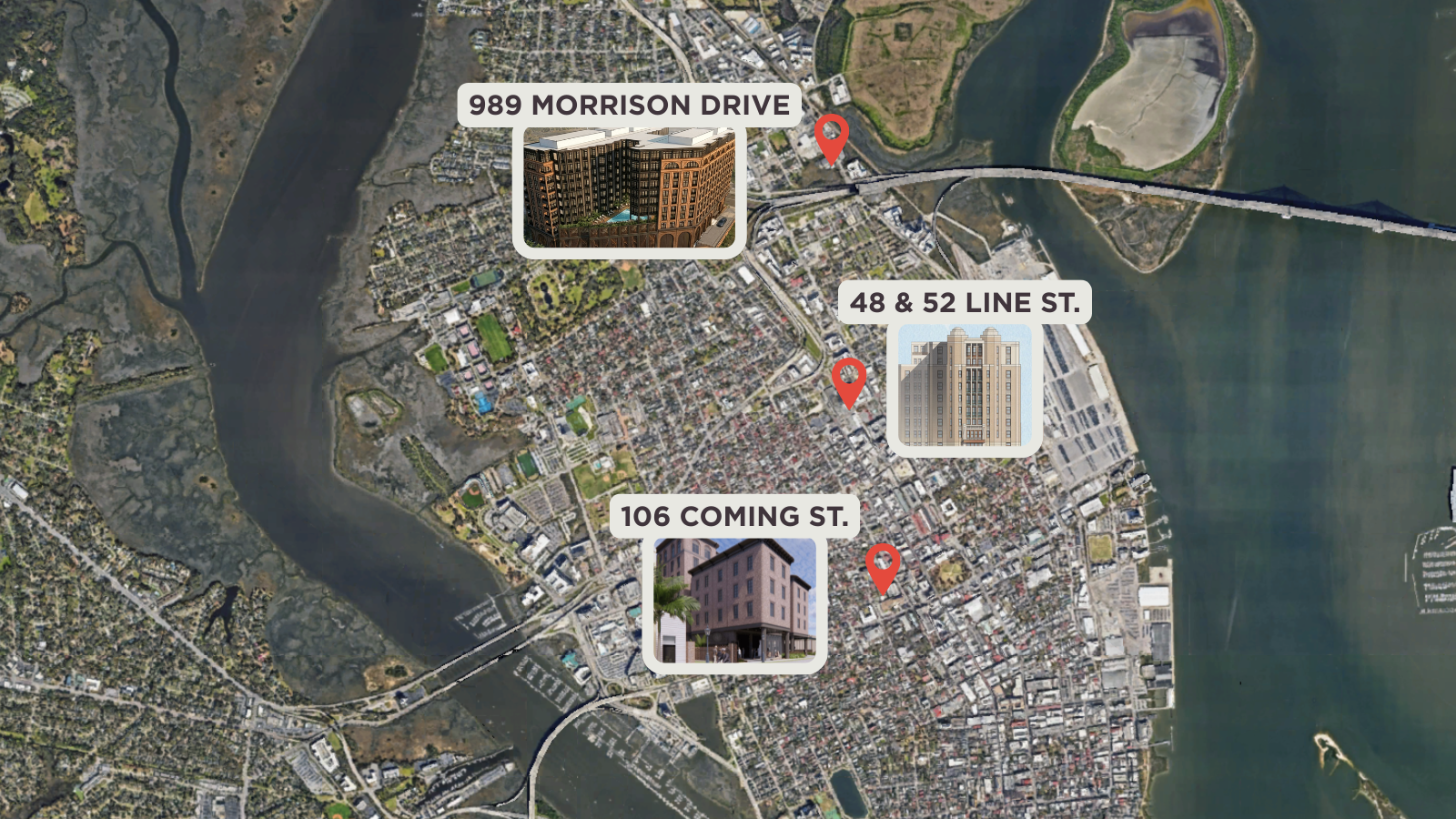
The Board will consider three major projects that represent distinct issues that PSC confronts daily:
- Development on burial grounds
- Building in flood-prone areas
- Reduction in the quality of large-scale new buildings
These proposals are enabled by outdated components of Charleston’s zoning framework that PSC is actively seeking to improve through broader land use advocacy (more on opportunities to weigh in below). This meeting, however, is a critical forum for public input on how these projects engage with their specific locations and historic contexts — issues squarely within the BAR’s purview.
Your voice is needed. Join PSC in advocating for development befitting of Charleston’s leadership in ethical, resilient, and high-quality design.
106 COMING ST.
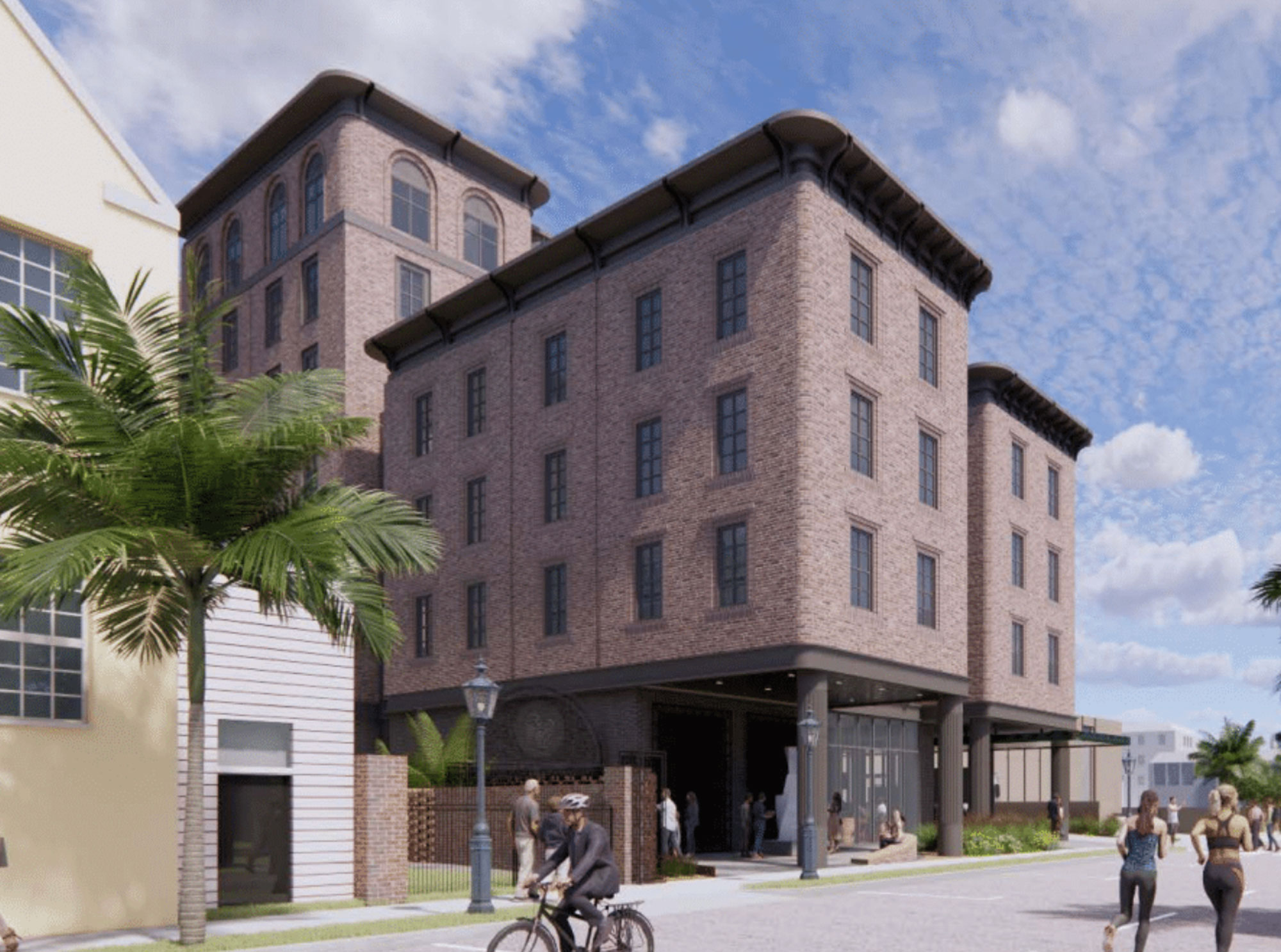
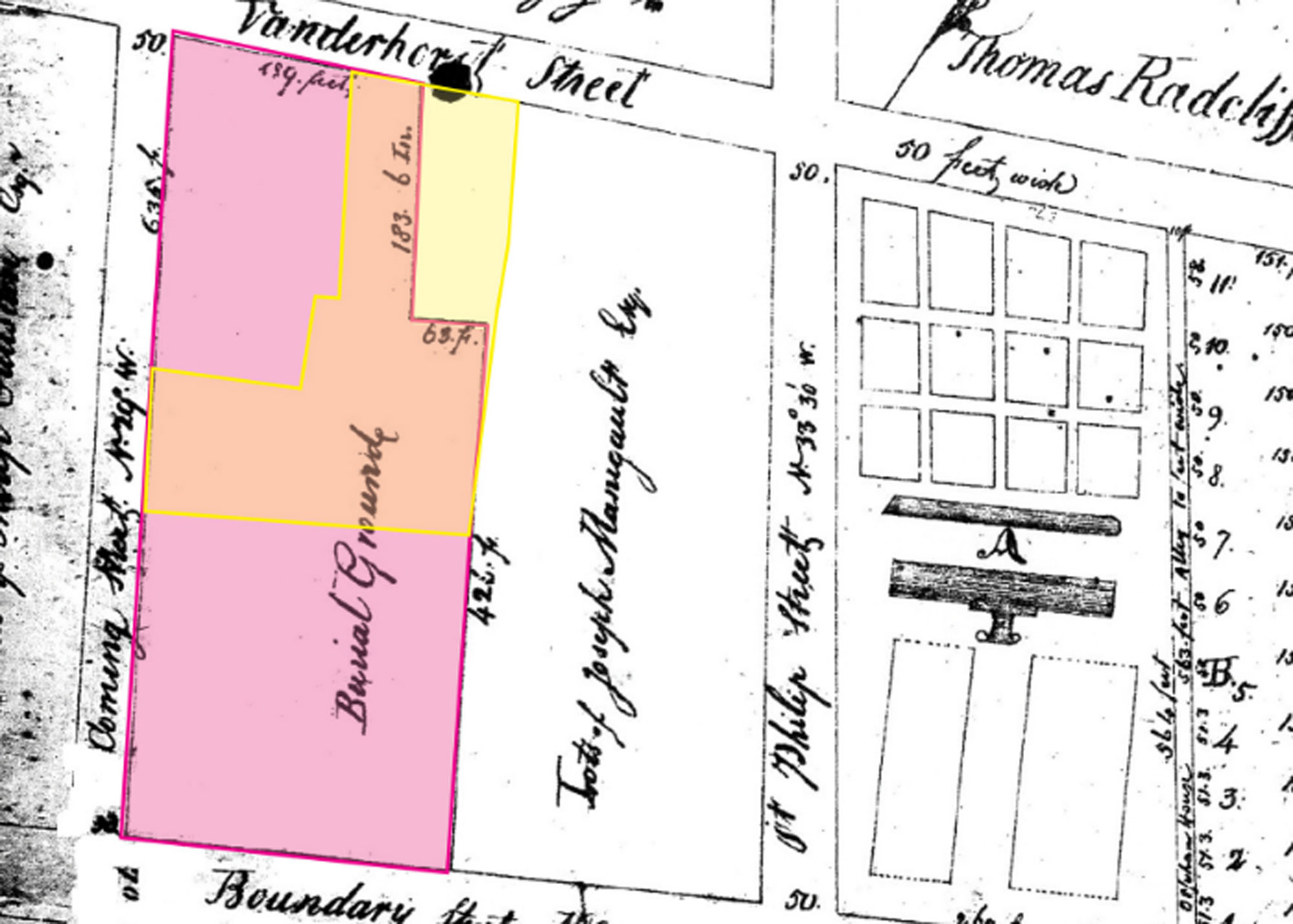
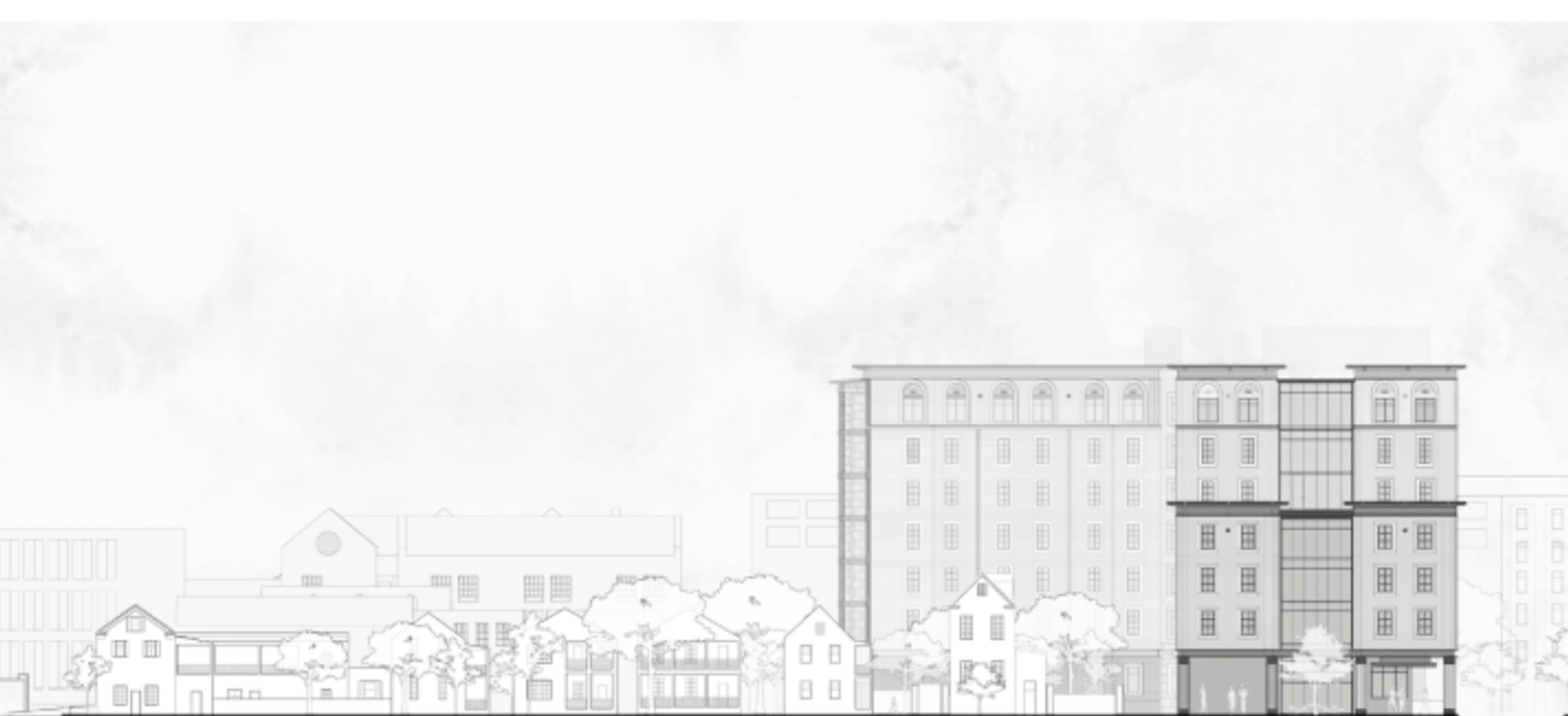
Background: The College of Charleston is seeking approval for a 1,000-bed freshman dorm on the site of an 18th-century municipal burial ground. Research suggests that thousands of burials would need to be excavated to meet the College’s objective, fundamentally changing the historic context of the site.
This is an unprecedented request contrary to the spirit of the BAR’s charge to protect the historic resources that define Charleston’s character and identity.
Equally important: This project is not ready for design review. Required archaeological investigation will provide essential context to inform design concepts. Locking in conceptual approval now would inhibit the community’s ability to shape interpretation and commemoration, which must be the central focus.
Suggested comments:
- The presence of this burial ground is relevant to the Board’s duty to ensure that new construction is sympathetic to the historic features that characterize the site’s setting and context.
- The BAR should defer review unless and until it has a more complete understanding of site conditions.
- This process cannot be rushed given the site’s sanctity. Community-led commemorative projects — from the African Burial Ground in New York City to Contrabands & Freedmen Cemetery in Alexandria, Va. — demonstrate the time and engagement required to do this work responsibly.
989 MORRISON DRIVE
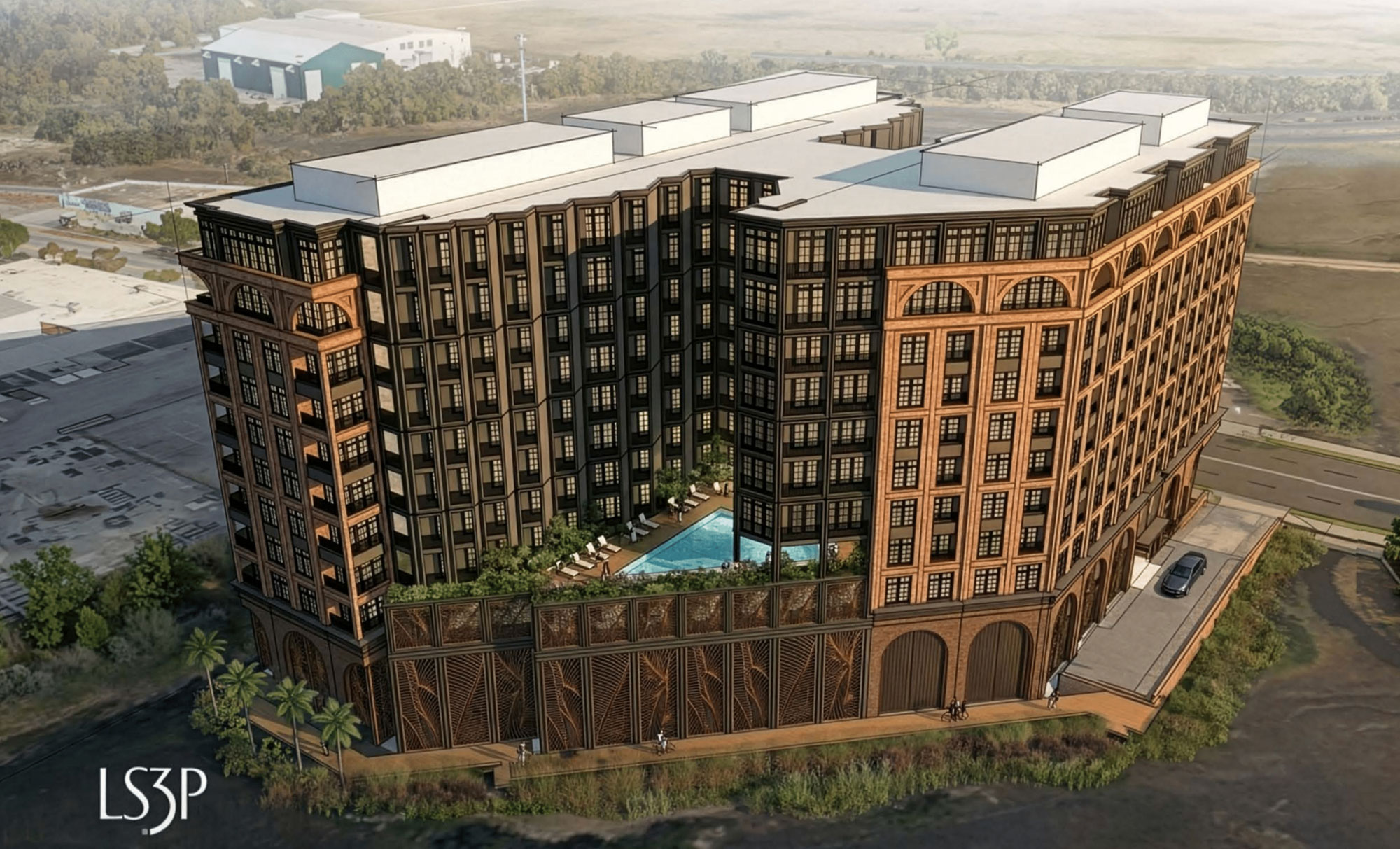
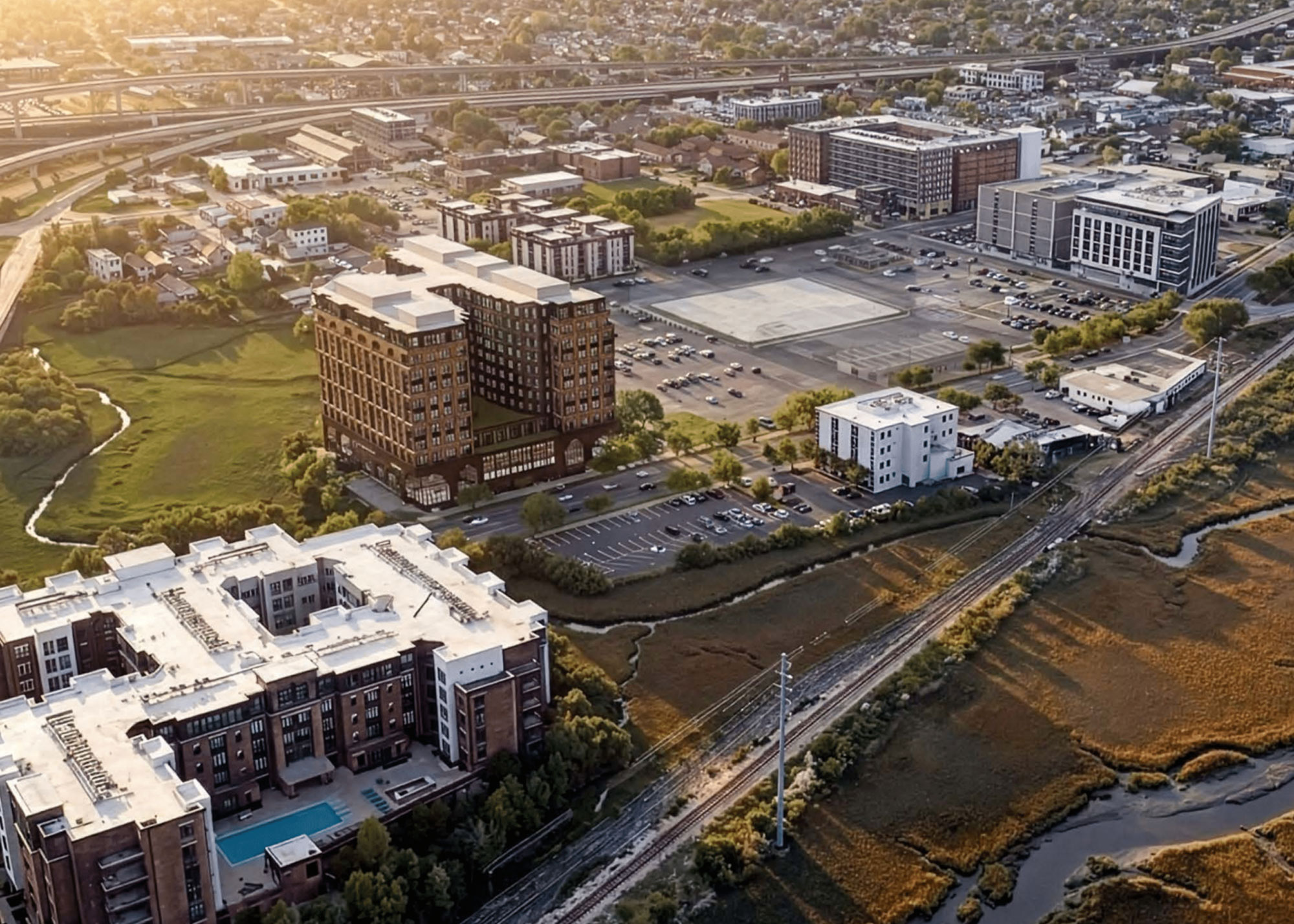
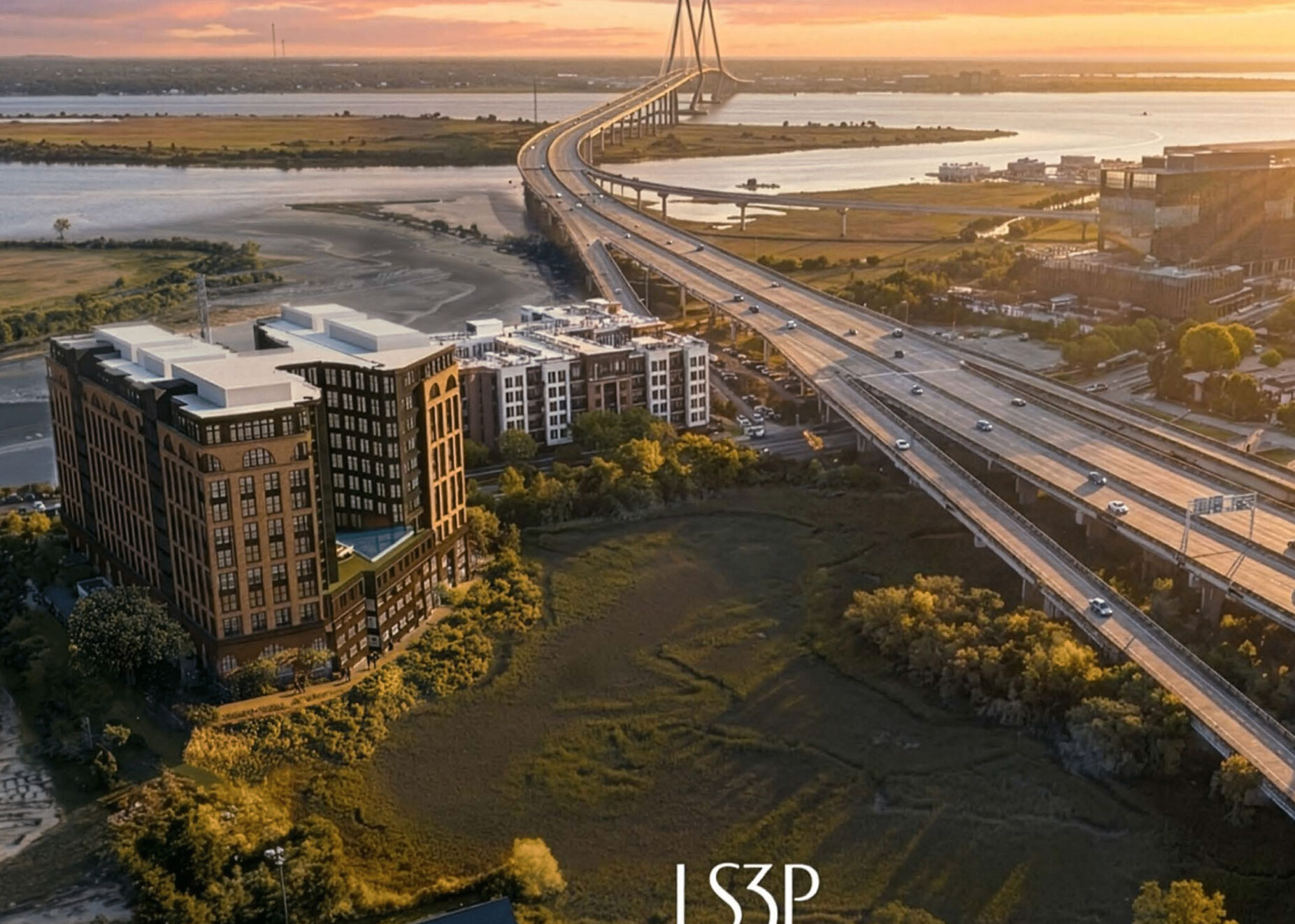
Background: A 12-story apartment building is proposed along Newmarket Creek, one of the peninsula’s last intact tidal waterways. The property lies in a high-risk flood zone but is zoned for intense development under the Upper Peninsula (UP) Zoning District.
The proposed height, scale, mass, and complicated architectural language overwhelm the site and its context. Further, a recent variance request to waive UP ground-floor requirements was denied, but FEMA elevation requirements would raise much of the ground-floor roughly 9 feet above street level, undermining pedestrian activity.
Suggested comments:
- The proposed height, scale, and mass overwhelm the site and its context.
- 12 stories significantly exceeds nearby building heights, and the footprint fills the site with insufficient articulation to reduce perceived mass.
- The architectural expression — particularly window scale and patterning — is unnecessarily complicated.
48 & 52 LINE ST.
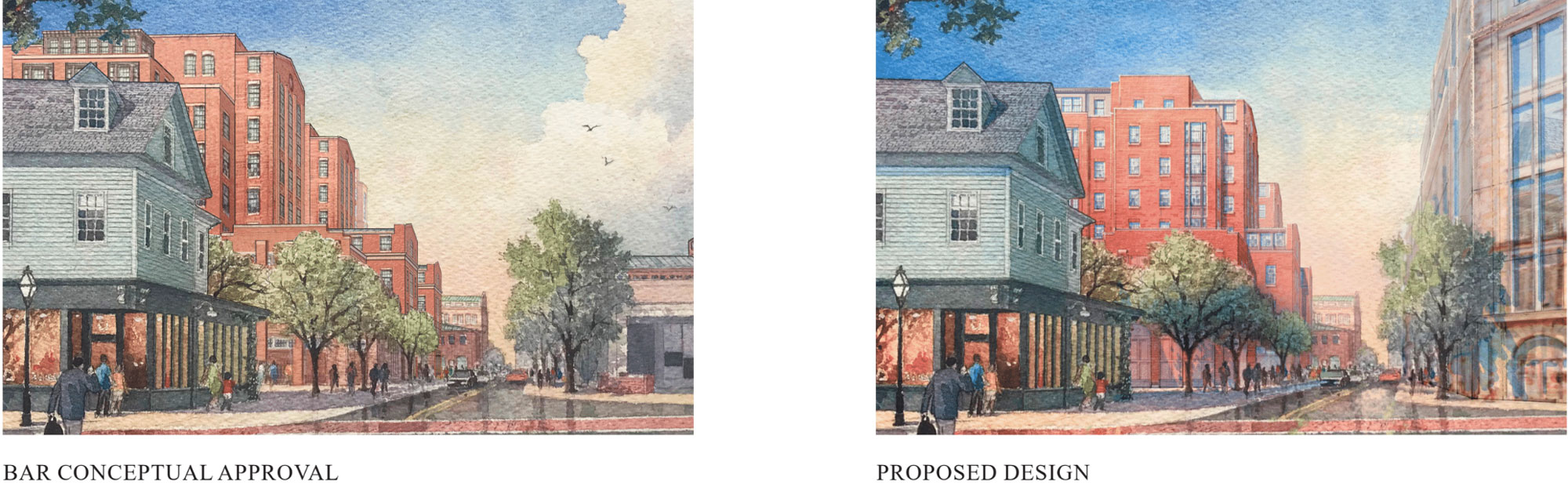
Background: Phase two of a major development underway on Line Street is back after an 8-year hiatus. The project team is requesting a revision to its initial conceptual approval granted in 2018 based on extensive public input and Board guidance. The current design reflects significant value engineering that departs from initial commitments.
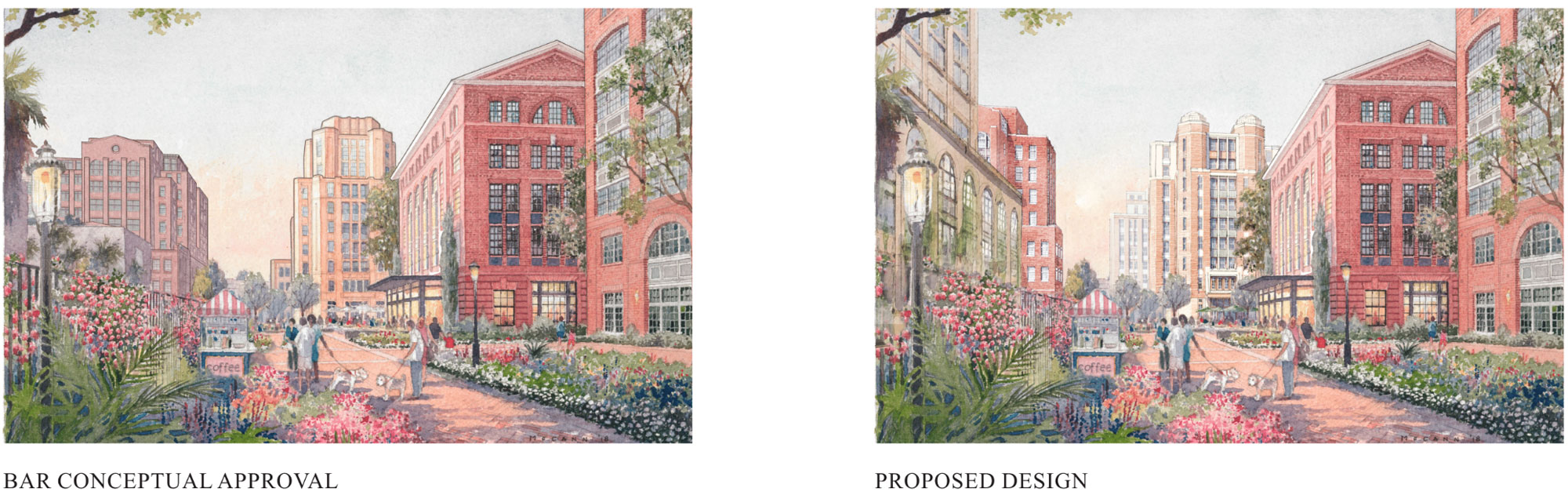
Suggested comments:
- Reduced architectural detailing across both buildings diminishes overall quality and compatibility with the surrounding district.
- Revised massing is more boxy and less responsive to its context.
- These changes represent a step backward; strong design standards should be upheld given the project’s impact on the streetscape and skyline.
HOW TO PARTICIPATE
- Submit comments online by 12 P.M. on Tues., July 7.
- Speak in-person at BAR-L on Wed., July 8, at 4:30 P.M. (2 George St., 1st floor public meeting room).
- View meeting materials on the BAR website.
LOOKING AHEAD
These cases highlight the urgency of rethinking how and where Charleston grows, from burial grounds to tidal creeks to the city’s commercial core. Important opportunities to shape a better path forward are on the horizon.
Just last week, the City announced the relaunch of public engagement for the Peninsula Plan, a long-awaited effort to establish a data-informed vision for downtown planning initiatives and guide much-needed zoning updates. Visit the City’s website for a schedule of upcoming Open Studio Sessions and opportunities to share your input. We hope to see you there.