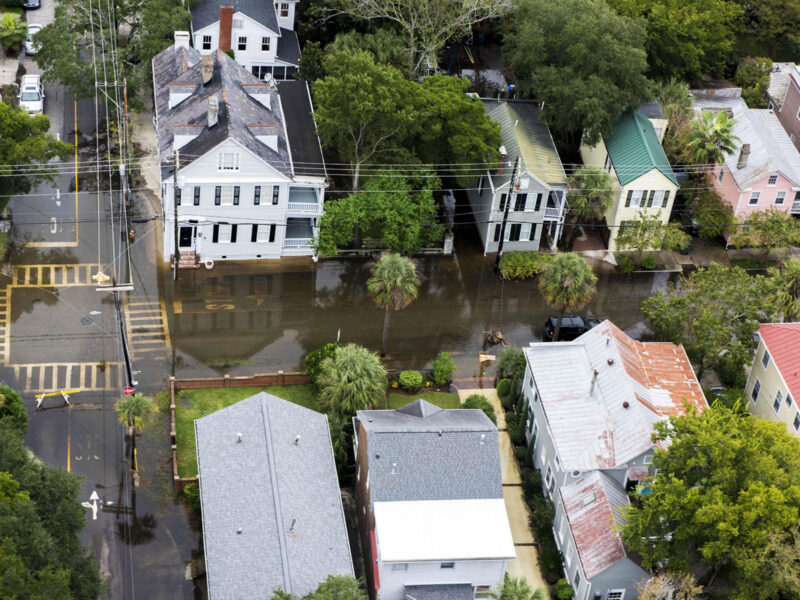
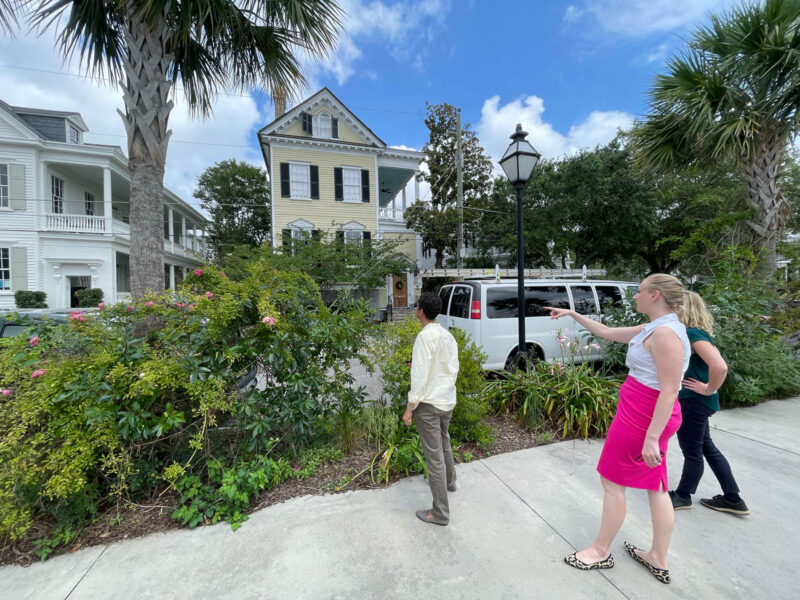
Resilience Guidance for Charleston
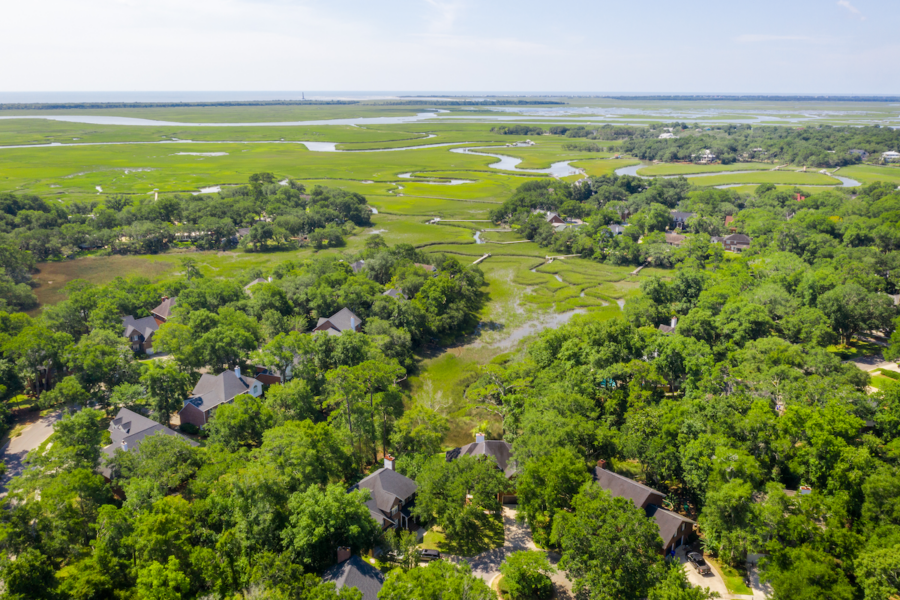
“A roadmap for all residents … to take meaningful action that will contribute to our city’s resilience.”
The Resilience Guidance for Charleston is an initiative of the Preservation Society of Charleston to empower residents to pursue adaptations that enhance their property’s resilience to changing environmental conditions. This resource is the first of its kind for Charleston and was developed over the course of a year in partnership with the City of Charleston and led by heritage planning and design firm, Preservation Design Partnership.
“This publication is a roadmap for all residents, not only owners of historic homes, to take meaningful action that will contribute to our city’s resilience.” -Brian Turner, President & CEO of Preservation Society
Guided by community feedback on experiences, attitudes, and priorities to address threat impacts, the guidelines provide accessible, effective recommendations for enhancing the resilience of existing properties and provide residents the tools they need to navigate the city approval process.
Officially launched in Summer 2024, the Resilience Guidance for Charleston is organized by specific building and site components and provides readers with information to quickly identify areas of improvement, relative costs, level of necessary professional assistance, and local permit review requirements.
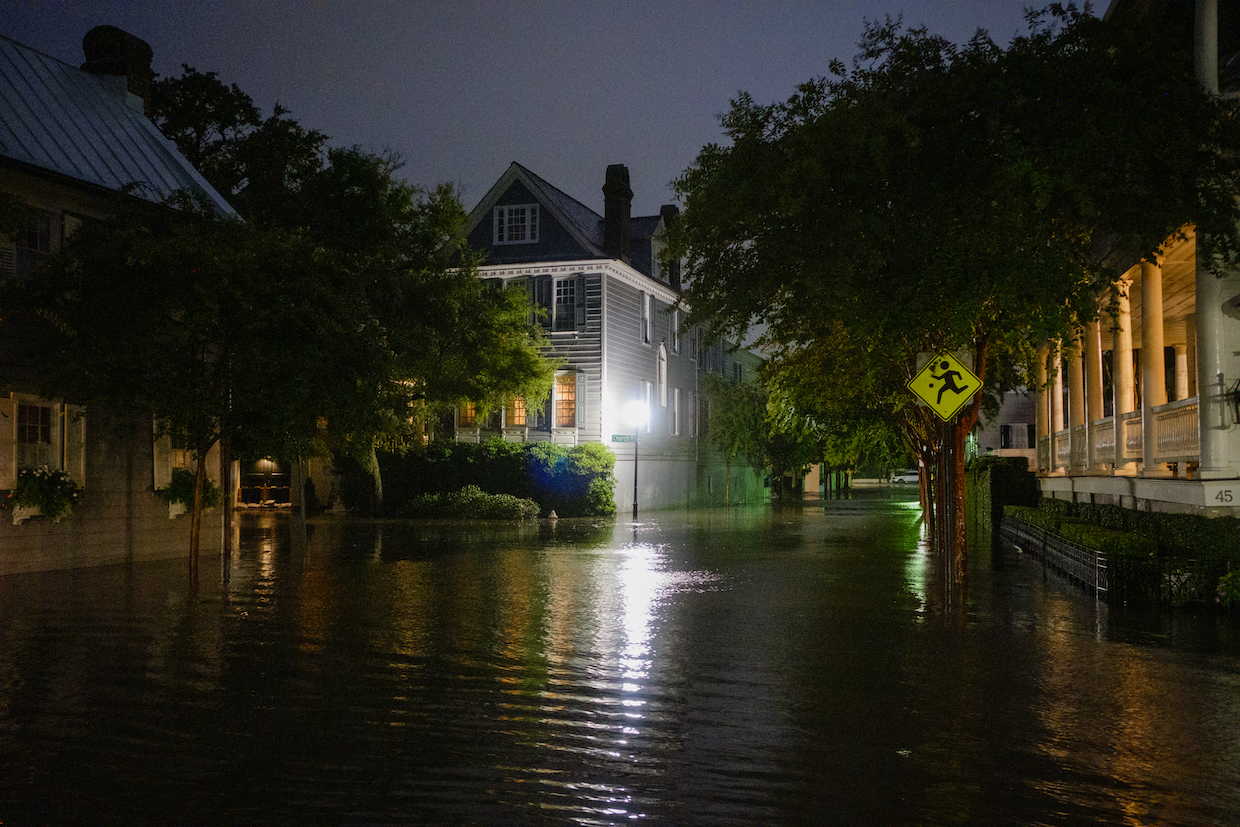
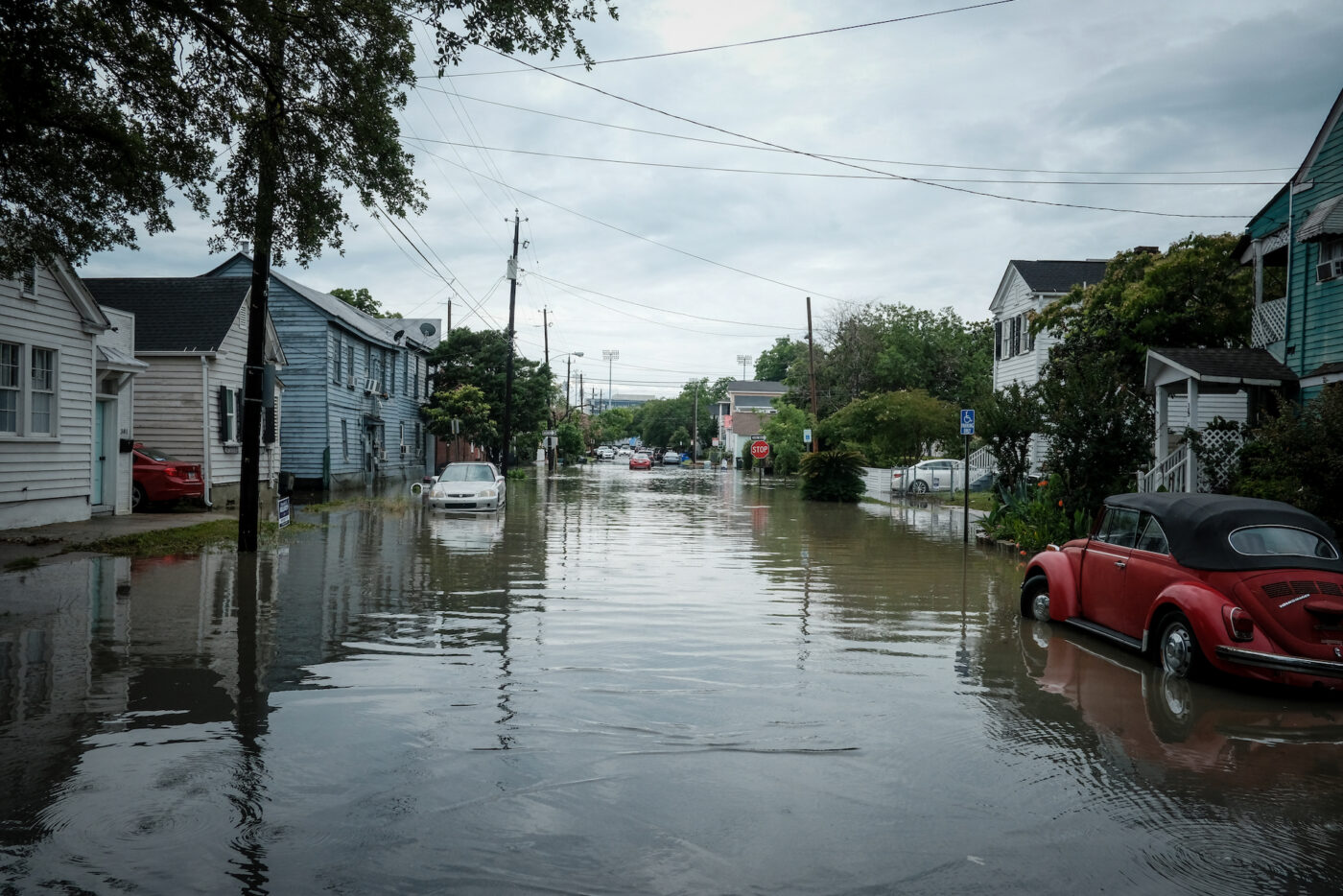
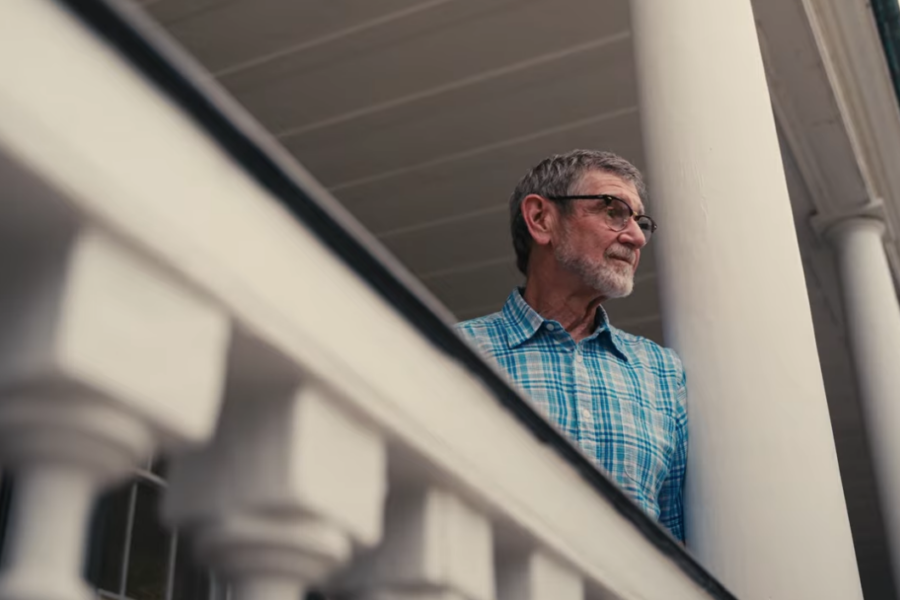

Voices of Resilience
In Charleston, resilience is not an abstract concept — it is a lived experience, shaped by place, history, and community. Rooted in perseverance, craftsmanship, and a commitment to longevity, it reflects generations of adaptation to the Lowcountry’s unique climate. This legacy endures today as we continue to prepare for and respond to environmental challenges.
The Resilience Guidance for Charleston is the Preservation Society’s effort to sustain this legacy. Lowcountry residents need practical, place-based strategies to care for their properties. In response, we engaged community members to create a resident-focused, regionally specific guide of best practices for maintaining buildings of all ages and types.
Read Individual Chapters
Further Reading and Additional Resources
- Charleston All Hazards Vulnerability and Risk Assessment, 2020
- Charleston Climate Action Plan, 2021
- Charleston HeatWatch Report, 2021
Charleston Sea Level Rise Strategy Update, 2023 - Charleston FloodStat Dashboard
- Charleston Tide Trends Dashboard
- Living with Water: History of Flooding in Charleston StoryMap
- Charleston Design Guidelines for Elevating Historic Buildings
- National Park Service Guidelines on Flood Adaptation for Rehabilitating Historic Buildings
- FEMA Flood Hazard Layer
- NOAA Sea Level Rise Viewer