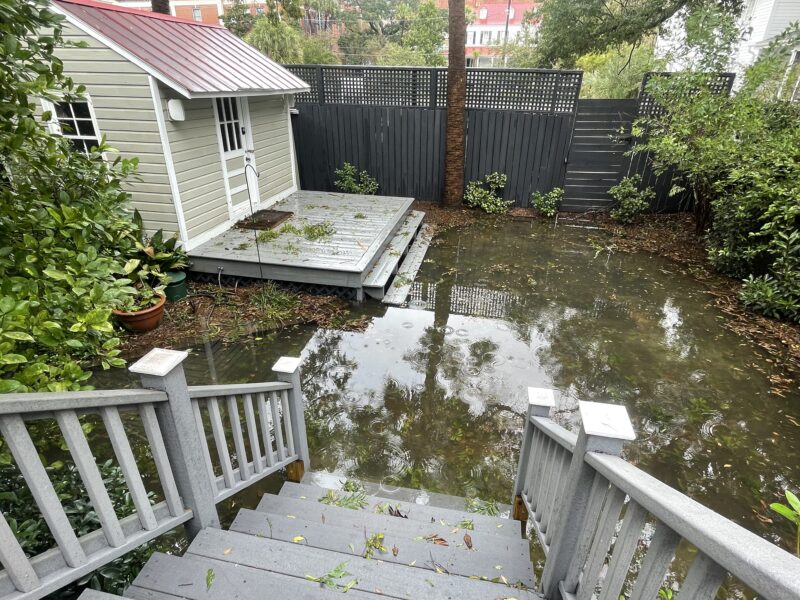
Voices of Resilience
Stories of the residents, craftspeople, and advocates strengthening Charleston’s future…
In Charleston, resilience is not an abstract concept — it is a lived experience, shaped by place, history, and community. Rooted in perseverance, craftsmanship, and a commitment to longevity, it reflects generations of adaptation to the Lowcountry’s unique climate. This legacy endures today as we continue to prepare for and respond to environmental challenges.
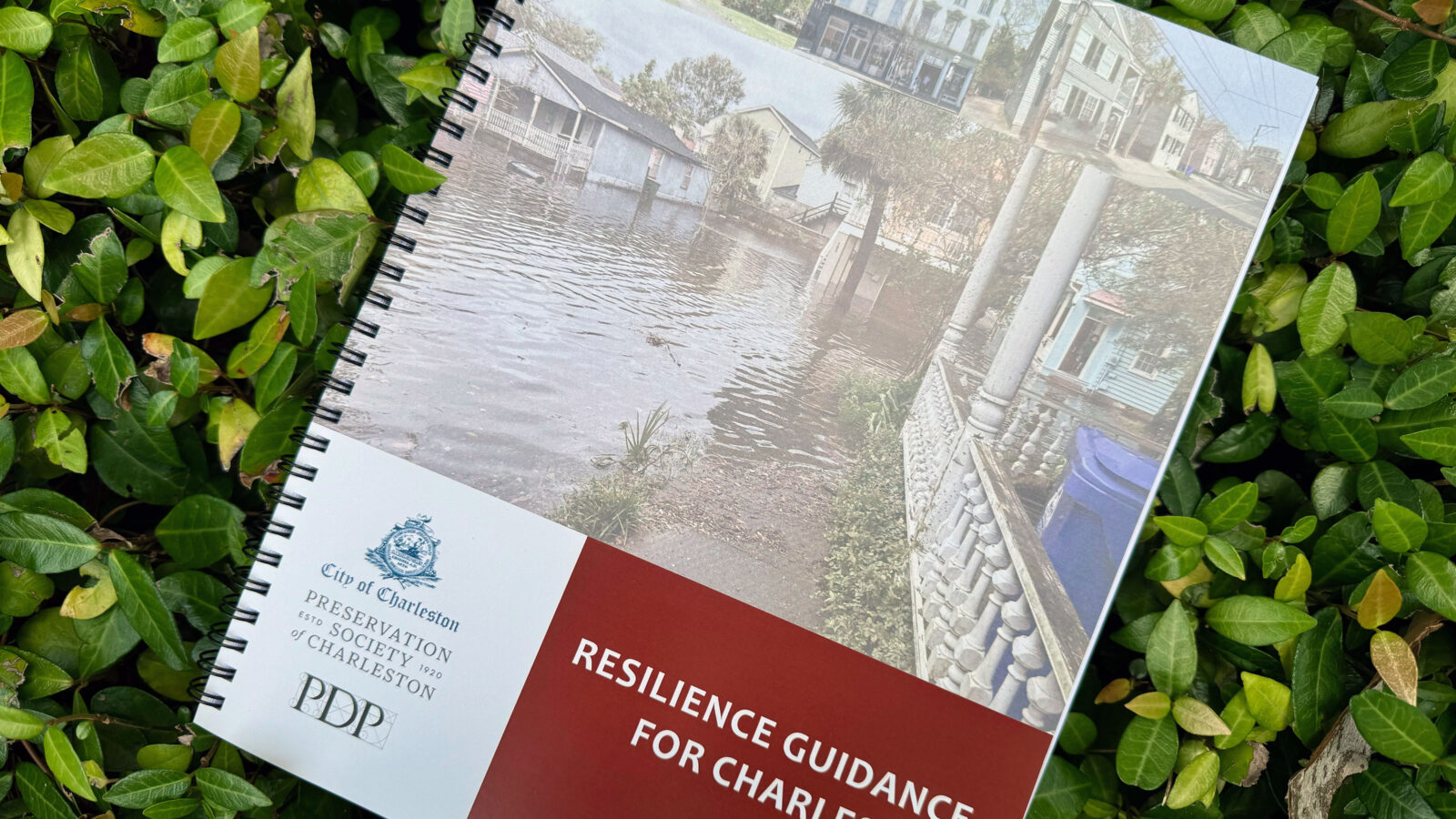
The Resilience Guidance for Charleston is the Preservation Society’s effort to sustain this legacy. Lowcountry residents need practical, place-based strategies to care for their properties. In response, we engaged community members to create a resident-focused, regionally specific guide of best practices for maintaining buildings of all ages and types.
Now, we’re highlighting those leading by example. The Voices of Resilience series shares the stories of residents, craftspeople, and advocates who are strengthening Charleston’s future, one property at a time, and inspiring others to do the same.
These unique stories teach us that resilience is not built by policies and regulations, but through informed choices, shared knowledge, and collective care. Together, the Resilience Guidance and Voices of Resilience series invite all who call this place home to deepen their understanding of how their buildings function and take one step toward greater longevity and preparedness today.
After all, resilience is, and has always been, a Charleston tradition.
The Preservation Society is grateful to the FJ Brotherton Charitable Trust for their generous support in funding Voices of Resilience.


Meta Wright Waldon
The Resident
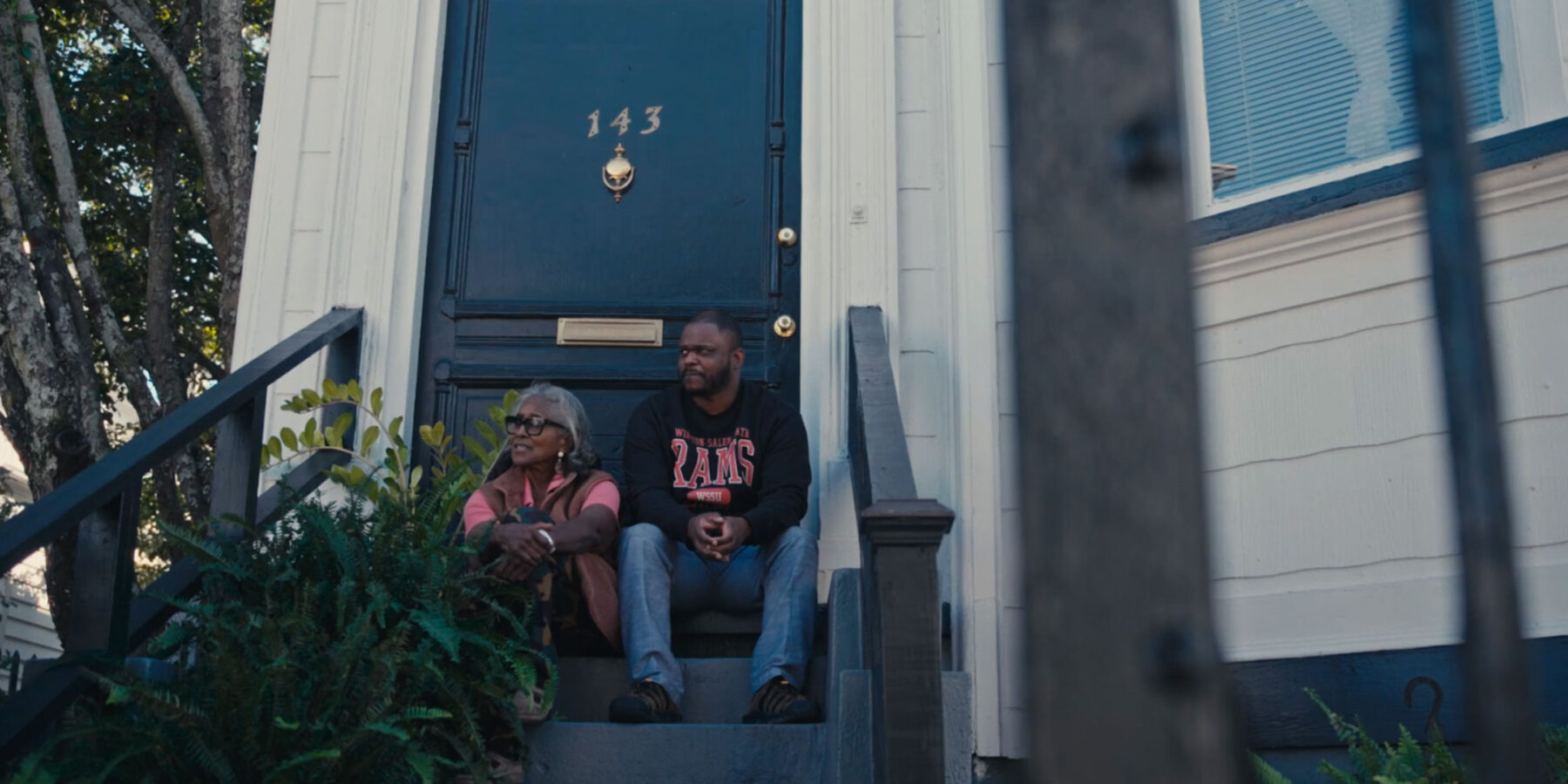
Meta Wright Waldon is a native of York, S.C., a lifelong Girl Scout, and the third generation of women to steward her family’s historic home downtown at 143 Spring St., constructed c. 1900. Deeply rooted in family legacy and place, her life and work reflect a commitment to preservation, storytelling, and community.
Meta’s grandmother, Clara Jenkins (1897-1968), purchased the family’s Spring Street home in 1961. A determined and enterprising Black woman who navigated the challenges of the Jim Crow-era segregation while working as a maid to support her family, Clara invested in multiple downtown Charleston properties and made 143 Spring St. her residence.
Meta’s mother, Agnes Lucille Simmons Wright (1916–1997), was a graduate of Burke High School and went on to live in New York City, where she worked as both a nurse and a painter during the Harlem Renaissance. After marrying Harry Vernon Wright, a bricklayer and World War II veteran, she returned to South Carolina, where she became the first Black public health nurse in western York County. Meta and her brother spent their childhood summers at 143 Spring St., strengthening their connection to both Charleston and their family’s legacy.
Following her mother’s passing in 1997, Meta returned to Charleston to care for and preserve the family home. In 2013, she opened Gallery Agnes within the house as a tribute to her mother’s artwork.
Through her ongoing stewardship of 143 Spring St., Meta embodies a living resilience, honoring the perseverance of the generations before her while sustaining her family home for years to come.
Fillmore Wilson
The Tradesman
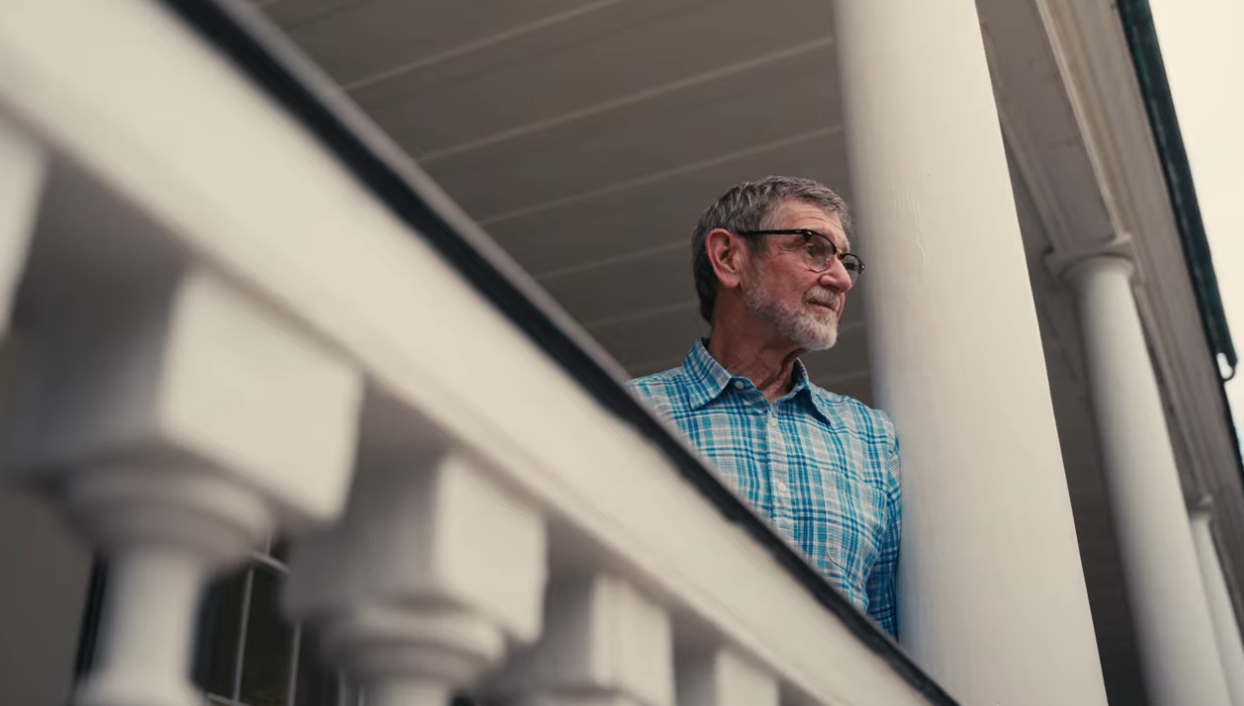
Fillmore Wilson brings more than 30 years of experience in the construction trades, with expertise in historic restoration, conditions assessments, forensic inspection, and developing preservation plans in collaboration with other design professionals. His passion for stewarding historic buildings began in childhood caring for his family’s 1850s farmhouse in the South Carolina upstate.
Fillmore holds a master’s in history from the University of South Carolina and spent seven years teaching Advanced Placement U.S. history. In his current role as Historic Materials Specialist at Meadors, Inc., he remains deeply engaged in education, guest lecturing for college-level history and preservation programs across South Carolina.
In addition to his work in education and preservation trades, Fillmore is a seasoned carpenter, avid cyclist, and a dedicated advocate for Charleston’s historic resources. He served nearly a decade as a member of Charleston’s Board of Architectural Review – Small, guiding residents and project professionals toward sensitive treatment of historic properties throughout the city’s historic districts.
Fillmore’s commitment to sharing knowledge across generations reminds us that Charleston’s historic buildings and landscapes are not only irreplaceable, but are also enduring examples of resilience.