Advocacy Alert: Council could overturn BAR demolition denial on Smith Street
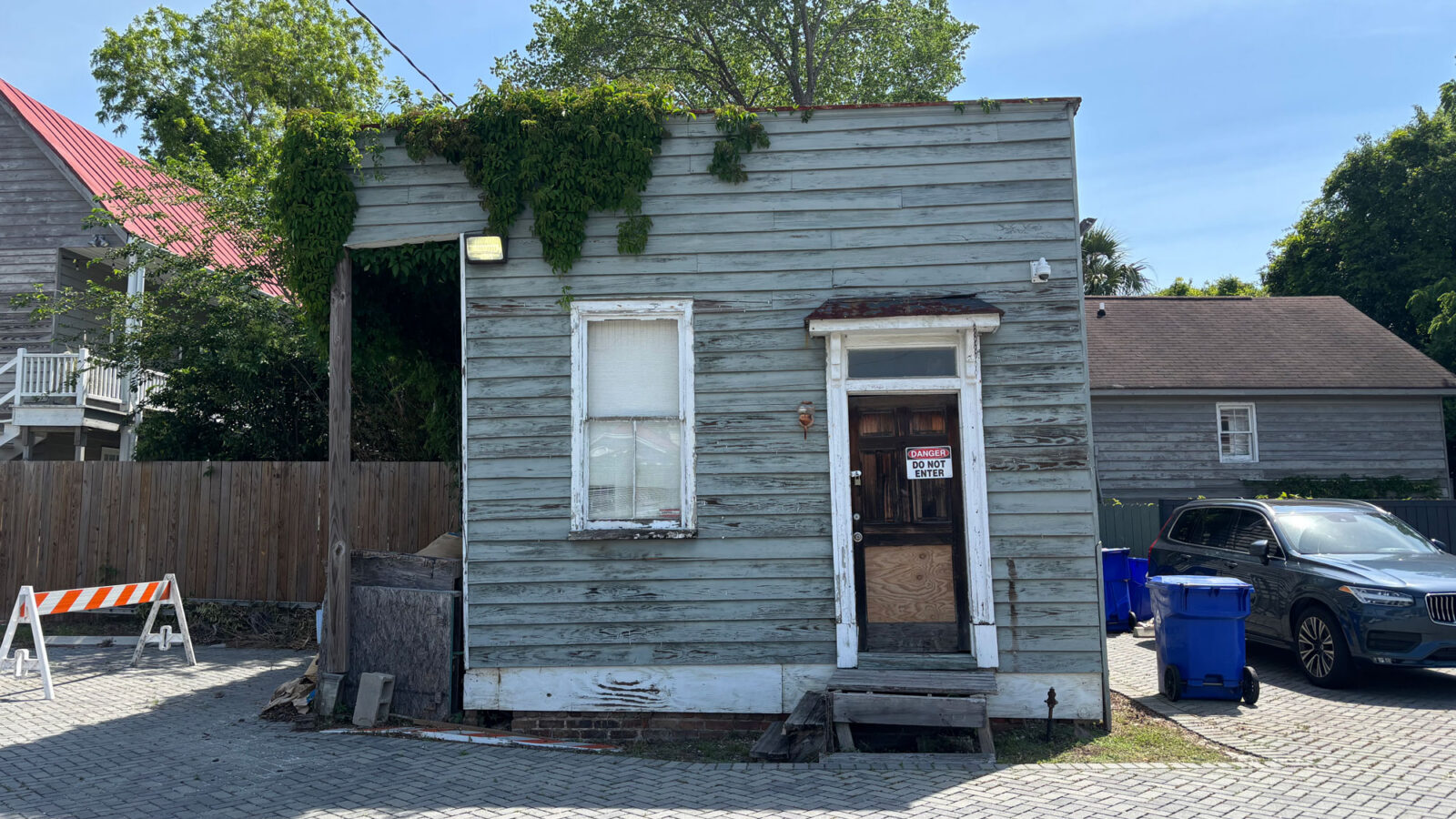
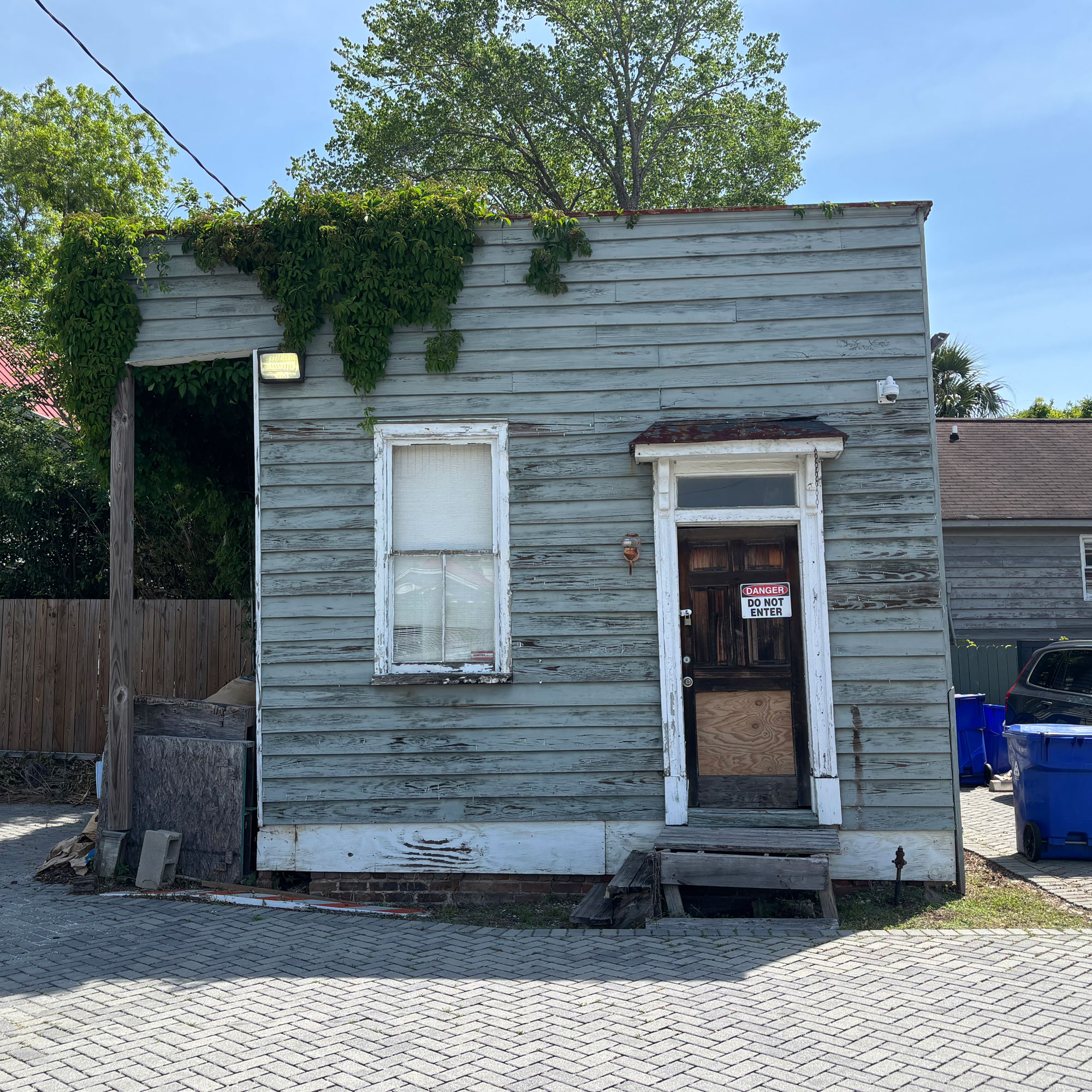
Pending a City Council vote on Tuesday, Charleston stands to lose the remaining portion of Dash Hall, a historic Black-owned dance hall recognized as a cradle of early jazz in Charleston.
A recently negotiated settlement agreement between Ashley Hall and the City of Charleston would overturn the Board of Architectural Review’s (BAR) August 2025 denial of demolition.
PSC stood with the BAR in defending Dash Hall’s cultural and historical significance. The community deserves the opportunity to fully understand — and weigh in on — the legacy of this extraordinary place before it’s lost.
In partnership with the Avery Research Center, we have gathered key research on the hall’s cultural and historic background, shared below.
If you are moved by this story, believe that Dash Hall should be preserved, or have concerns about the process enabling its potential demolition, submit your comments to City Council now. Public input is due by Monday, May 25 at 12 P.M.
Dash Hall: A Powerful Under-Told Story
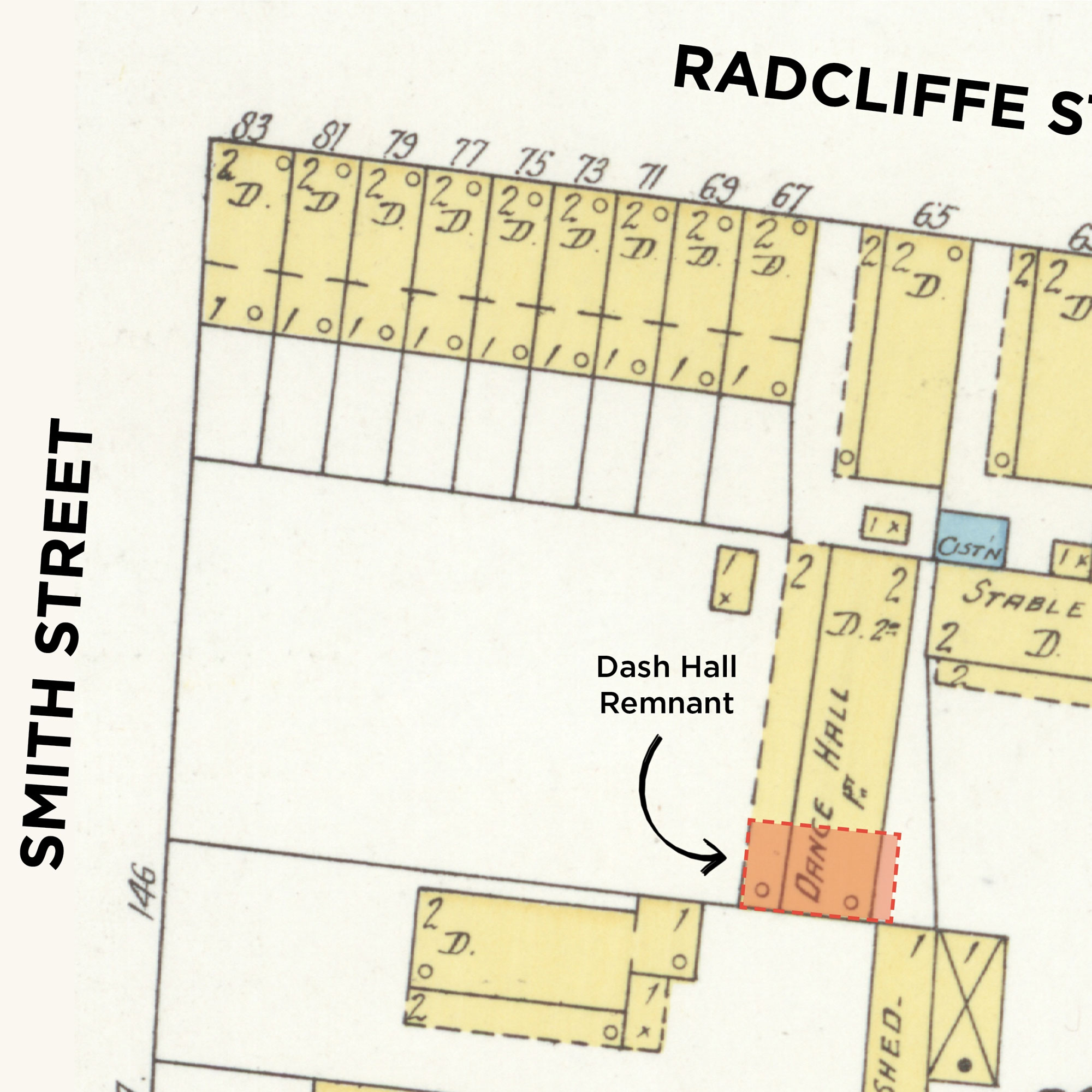
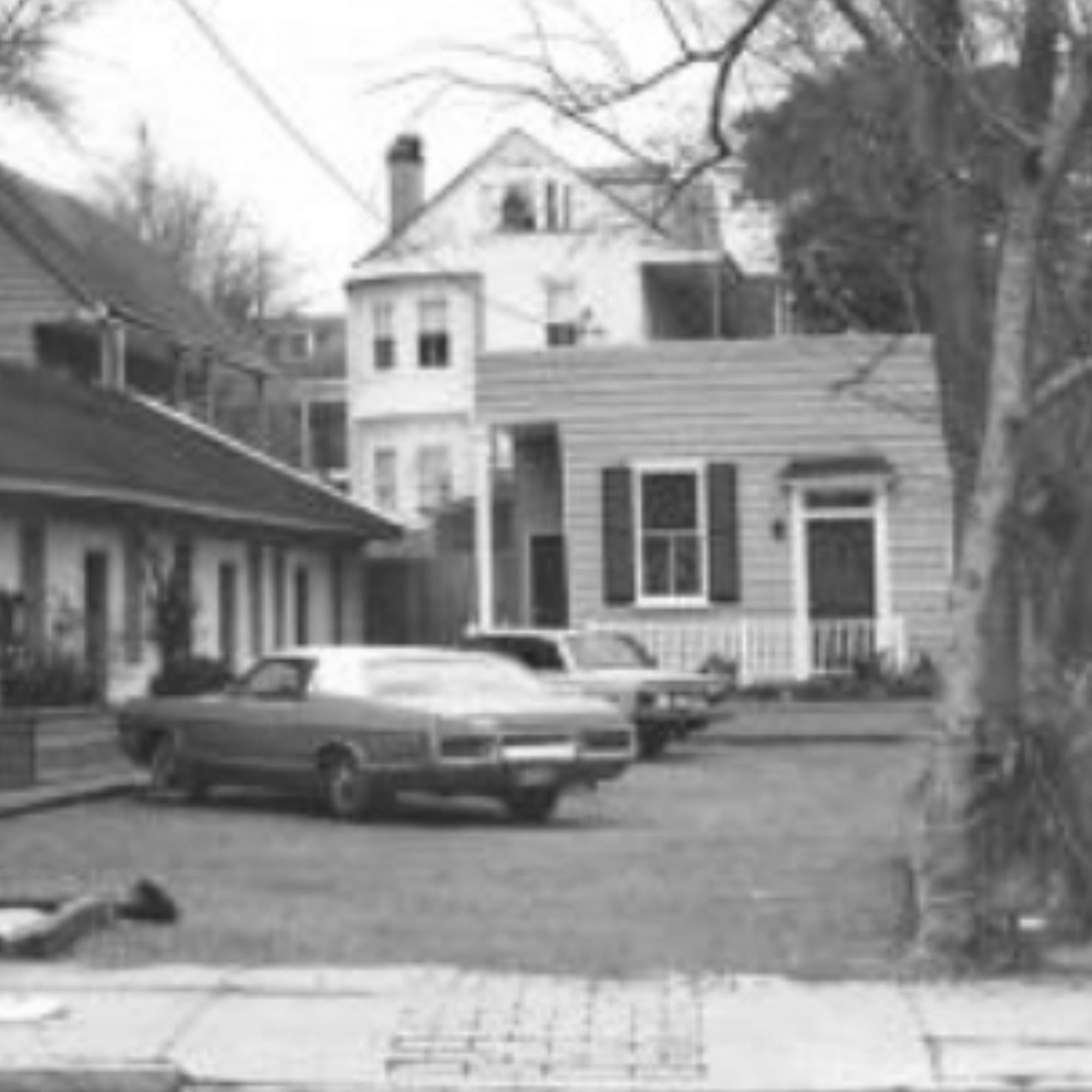
The small, one-story structure that survives today is a remnant of Dash Hall that was partially demolished in 1950 to make way for a new apartment building that was also demolished in 2005.
Dash Hall represents an irreplaceable opportunity to tell the under-told story of Black entrepreneurship and artistic innovation in Jim Crow-era Charleston.
Constructed c. 1890 by Samuel B. and Emma Dash, the building housed a vibrant dance hall on the ground floor with a multigenerational family residence above. As a Black-owned business in an era of segregation, Dash Hall was one of the few venues in Charleston where African Americans could gather freely for music, dancing, and community life.
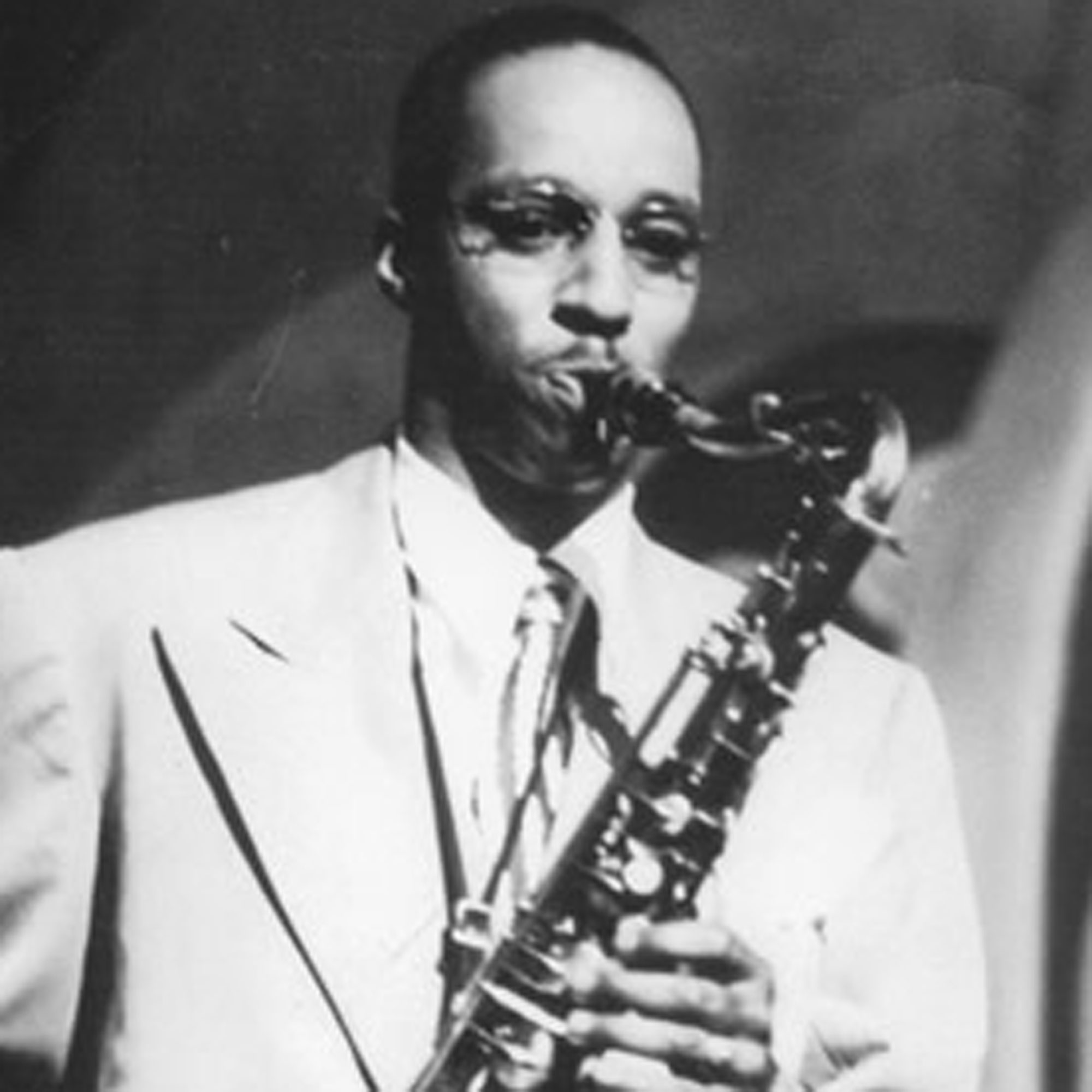
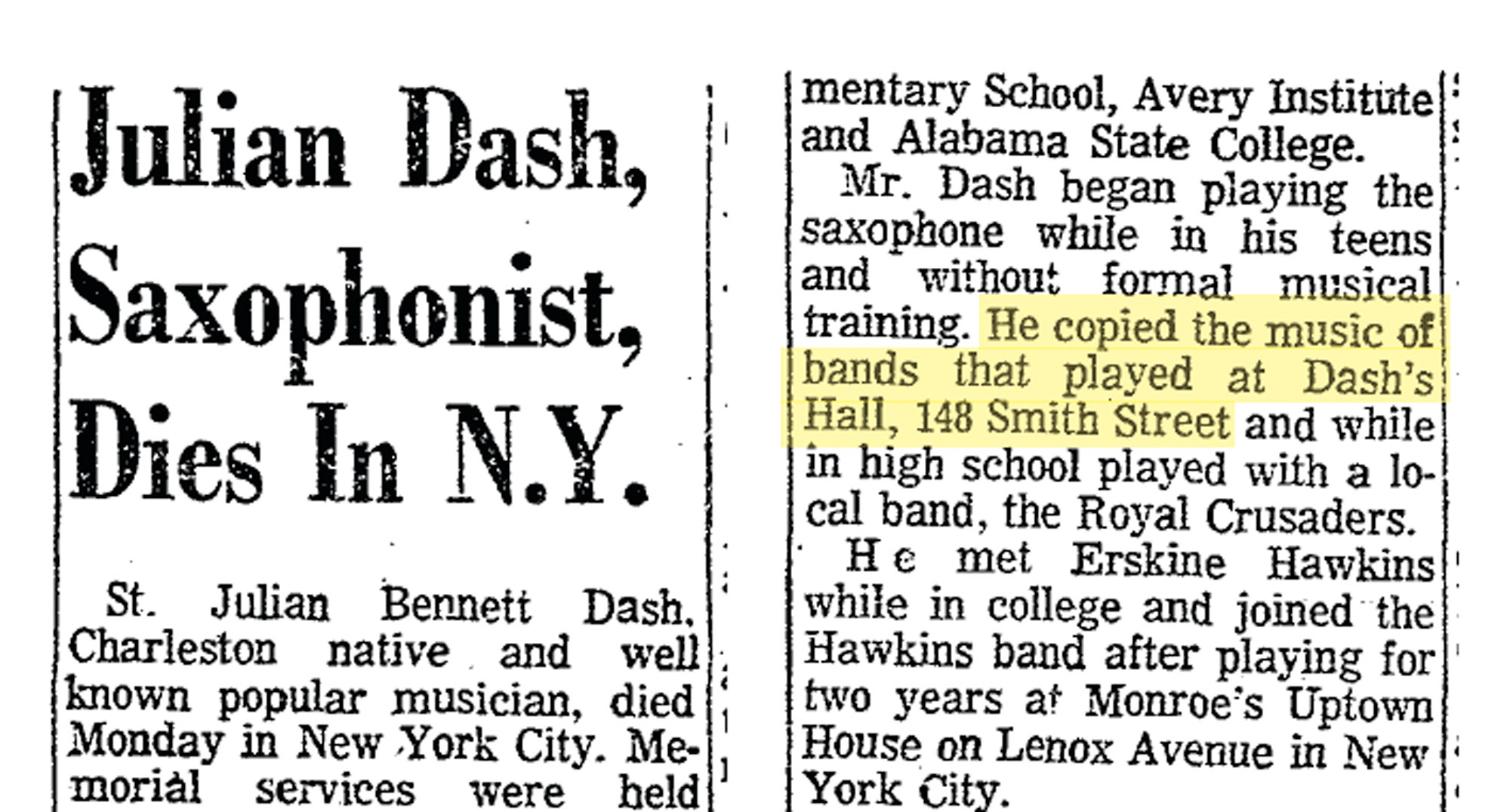
By the early 20th century, Dash Hall was Charleston’s premier location for jazz music and dancing. Members of the Dash family, including Samuel’s son, Charles St. Julian Dash, regularly performed there, establishing Dash Hall as a cornerstone of the city’s early jazz scene.
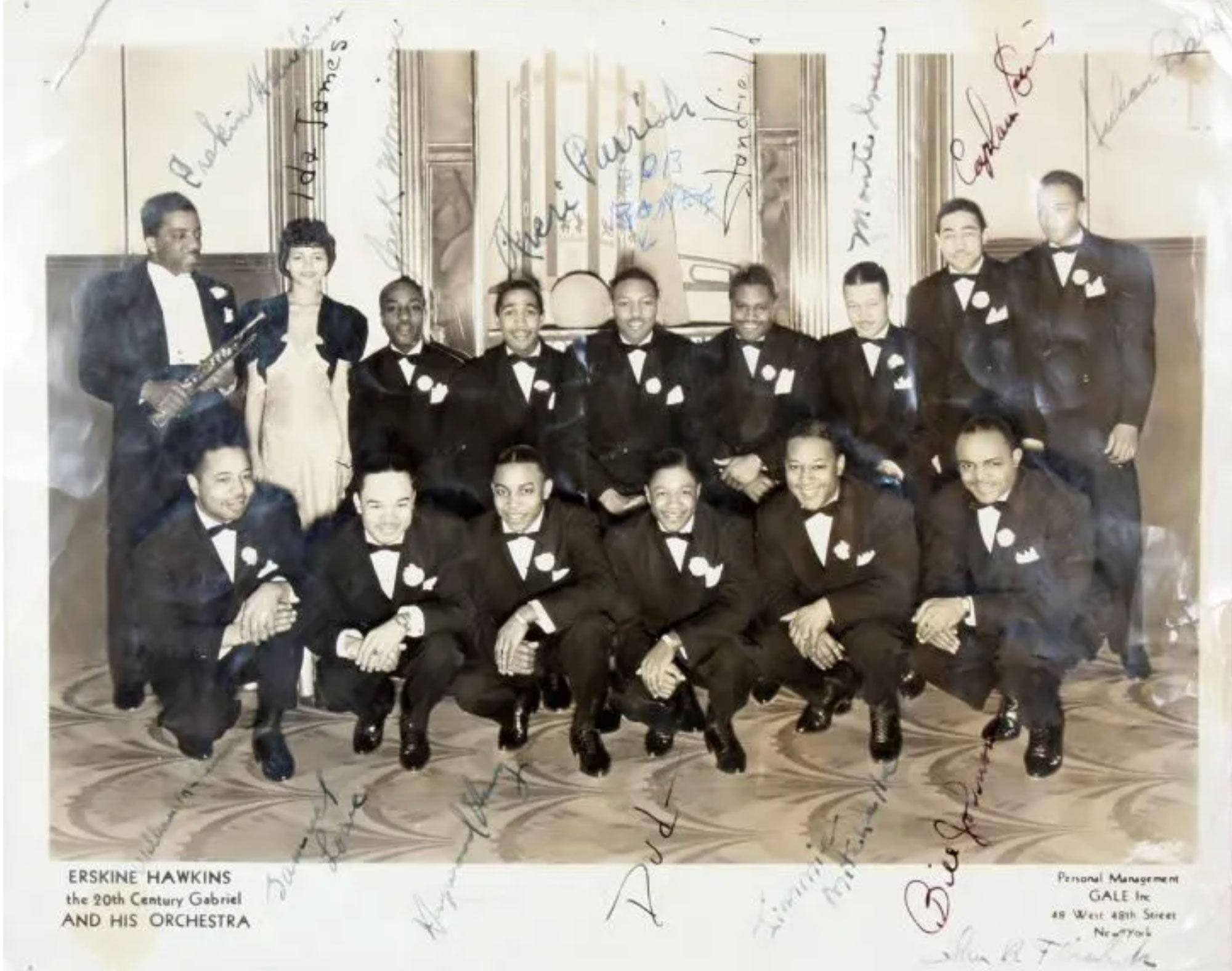
Its influence extended far beyond Charleston. During the Harlem Renaissance, Samuel Dash’s grandson, Bennett St. Julian (Julian) Dash, played tenor sax with the Erskine Hawkins Orchestra and co-wrote “Tuxedo Junction,” first conceived at Dash Hall before becoming a celebrated composition.
Dash Hall is a rare, tangible link between Charleston and the broader evolution of American jazz, a legacy that has long been overlooked and insufficiently recognized. Its preservation is not just about saving a building but honoring a foundational chapter of Charleston’s cultural history that cannot be replaced.
The BAR unanimously denied this demolition request. Stand with PSC in urging City Council to uphold this decision.
Success to Be Replicated: 150 Wentworth St.
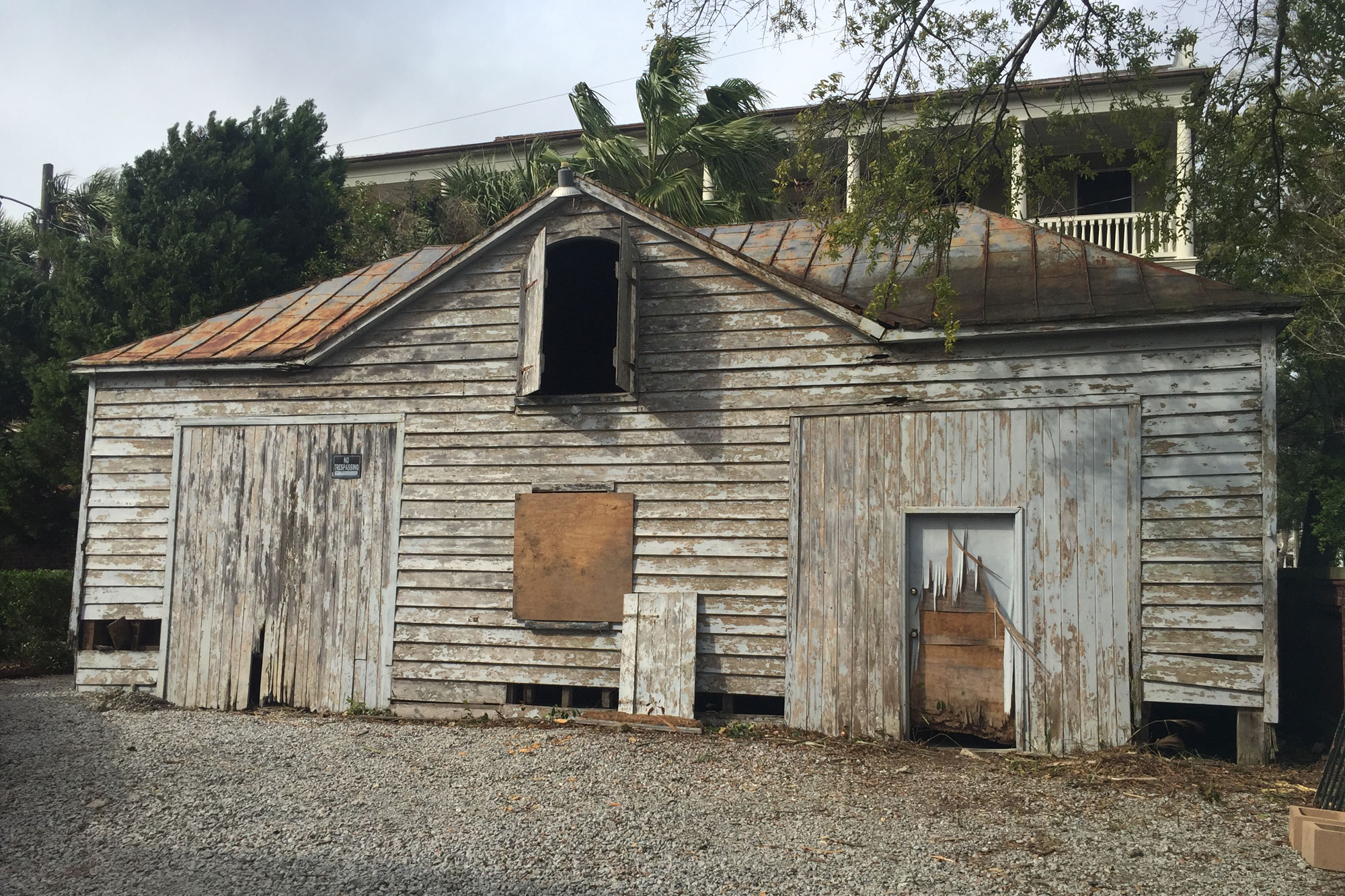
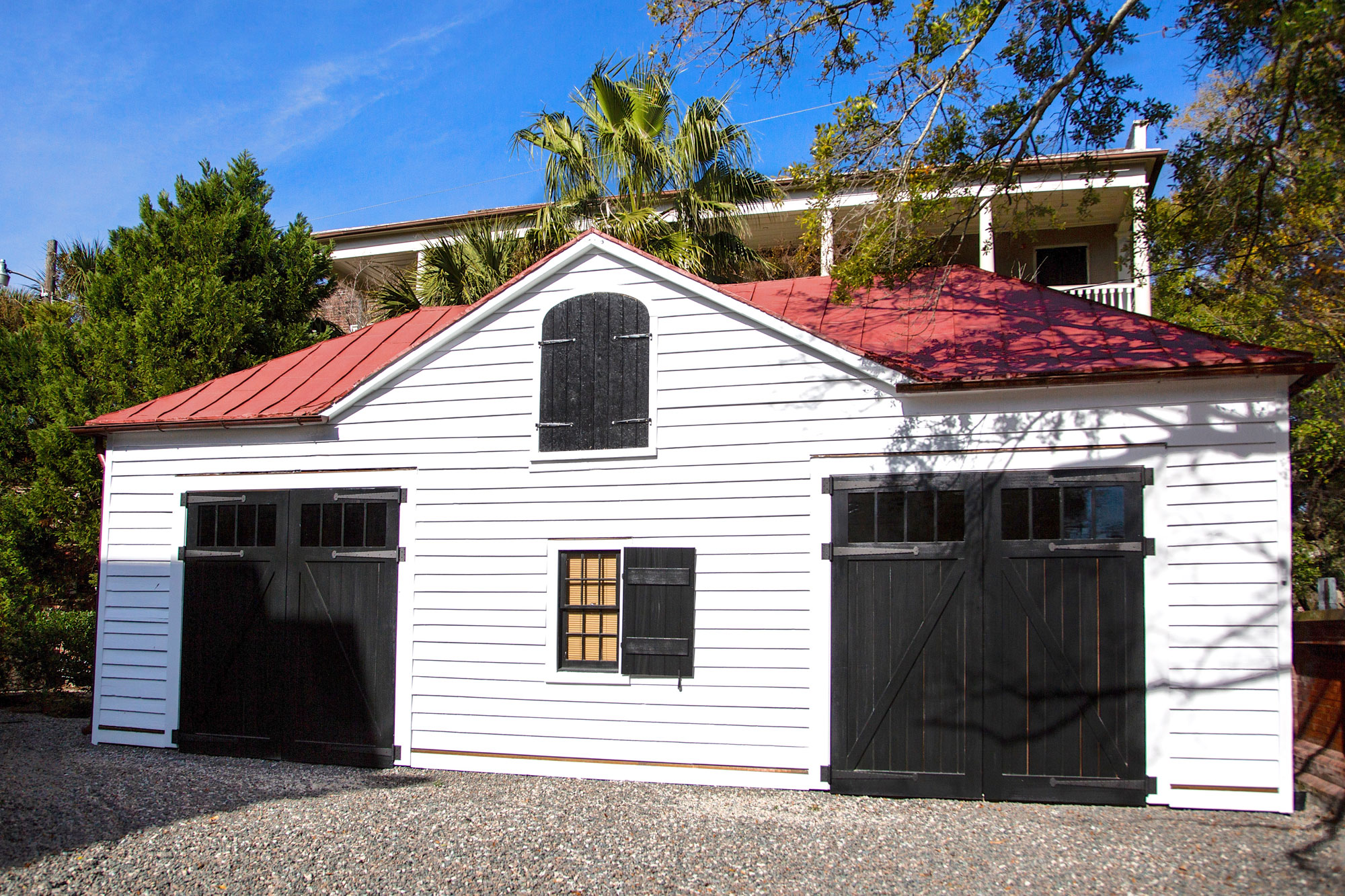
There are plenty of successes to draw on for the rehabilitation of similar vernacular structures.
In 2020, Fisher House Charleston was honored with a Carolopolis Award for the transformative restoration of a late-19th-century outbuilding on its property.
Once on the brink of collapse due to extensive termite damage, the one-story wood-frame structure was saved through a dedicated $500,000 fundraising effort.
The project was made possible by a talented team of local professionals, led by Julia F. Martin Architects and Dow Inc., which carefully restored the building for continued use.
Today, the revitalized structure plays a vital role in supporting Fisher House’s mission, serving as storage and garage space that helps sustain daily operations and the organization’s commitment to providing housing for families of veterans receiving care at local VA centers.
Fisher House Charleston’s stewardship underscores the powerful role local institutions play in safeguarding Charleston’s historic resources — demonstrating that even modest, utilitarian structures hold lasting community value.